Skip to content
SME AI Impact
Adoption ExcellenceMedia & Creative· Generative media

GOODSTUPH

GOODSTUPH moved production in-house with generative AI and cut campaign production from four weeks to seven days.

Principal published result

More than 30%

Cost savings

Evidence grade

BCanonical source supported

Grade B — Canonical source supported

Research coverage

95% coverage

Ten evidence dimensions, not an AI maturity score

Sources

3

3 sources · 2 beyond T0

Open goodstuph.org ↗Live site, not an official page of this showcase.

Share on LinkedIn

01The official record

Award citation, verbatim in substance
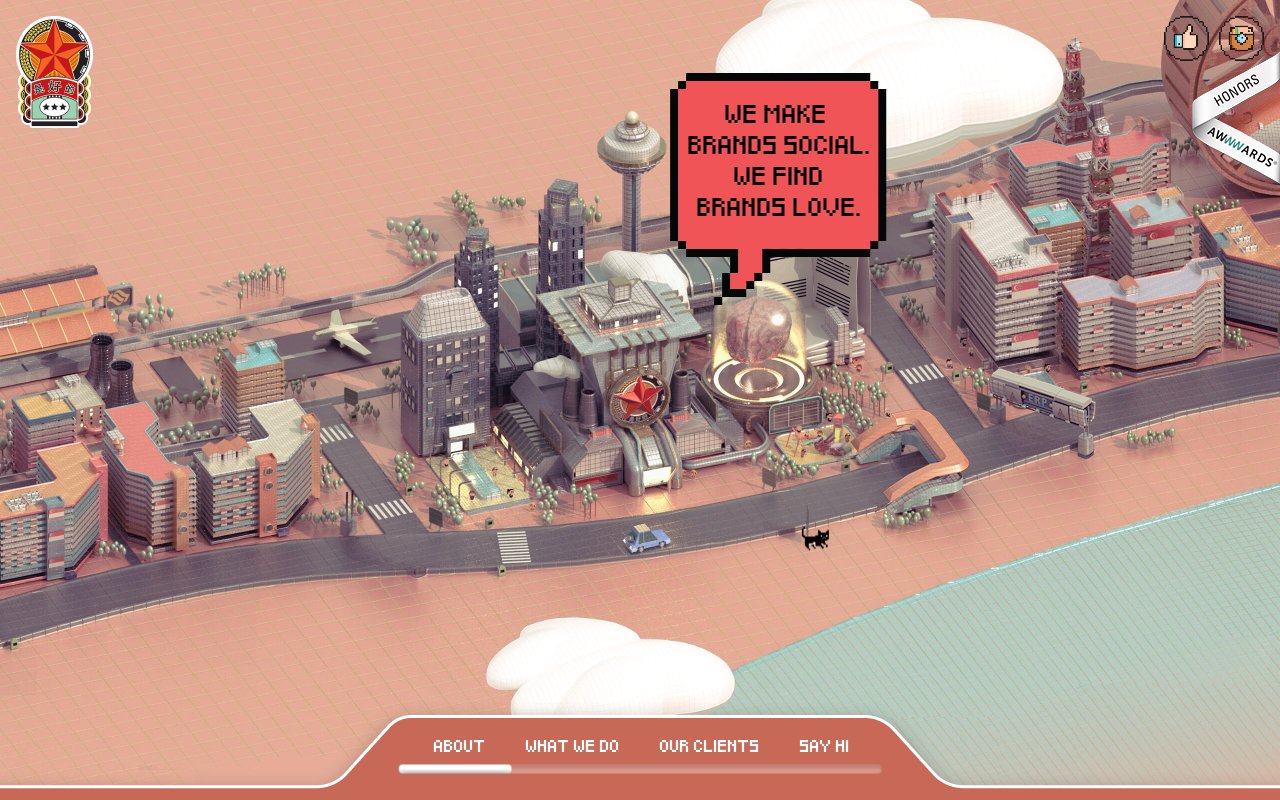
Homepage of GOODSTUPH, captured 2026-10-19
GOODSTUPH's homepage, captured 2026-10-19. Shown for identification and comment; it may differ from the award-winning implementation.Open live site ↗

Provides creative media social marketing services

Published key challenges

  • High outsourced production costs. External shoots, studios and post-production accounted for roughly 60% of total expenses in H1 2025
  • Long production cycles. External production added 2-4 weeks to a typical campaign, while changes could add another 3-5 days
  • Limited experimentation and client reach. High production costs limit the number of concepts the agency could test and made some lower-budget briefs uneconomical to serve

AI.YAH: Generative-AI Creative Production System

  • AI-assisted ideation and scripting: Uses large language models to develop creative concepts and scripts, helping teams explore and develop ideas faster
  • Generative image and video production: Produces images, videos and creative variations in-house, reducing reliance on external shoots and post-production
  • Structured AI creative workflows: Uses role-based prompt frameworks that guide outputs against defined creative and quality standards
  • Human-led creative control: Human creatives direct the process, evaluate AI-generated outputs and retain final judgement over what is good enough to release

02SCQA case study

358 words
SSituation

GOODSTUPH provides creative media and social marketing services. Its work is campaign-led: a client brief becomes a concept, then a production, then a set of assets for several platforms. The agency's margin depends on how much of that chain it controls and how many concepts it can afford to test.

CComplication

External shoots, studios and post-production accounted for roughly 60% of total expenses in the first half of 2025. External production added two to four weeks to a typical campaign, and changes could add another three to five days. High production costs limited the number of concepts the agency could test, and made some lower-budget briefs uneconomical to serve. The agency was paying a third party for the capacity to experiment. Every concept the agency did not test was a decision made by budget rather than by judgement.

QQuestion

How could the agency produce campaign creative in-house, fast enough to test more concepts, without losing the creative judgement that clients pay for?

AAnswer

GOODSTUPH built AI.YAH, a generative AI creative production system that combines large language models, image generation and generative video within a structured creative workflow. Language models develop creative concepts and scripts. Generative image and video production creates images, videos and creative variations in-house, which reduces reliance on external shoots and post-production. Role-based prompt frameworks guide output against defined creative and quality standards, so results are repeatable rather than improvised. Human creatives direct the process, evaluate outputs and retain final approval. The published result is more than 30% cost savings, up to four times faster production, and over 200% more creative output. The citation reports campaign production falling from four weeks to seven days. The structural change is that production capacity became a fixed internal cost rather than a variable external one, which is what makes testing more concepts affordable. The citation does not name the generation models, and it does not report client approval or rejection rates for generated work. The output increase is the strategic figure, because it changes how many concepts the agency can put in front of a client within one budget, which affects win rates more than a marginal reduction in cost per asset.

Implementation takeaway

The cost saving is the smaller story. In-house generative production turns creative testing from a budget decision into a routine.

03Verified business results

Company-reported
Published business outcomes for GOODSTUPH, as reported in the award citation.
MetricPublished resultAttribution
Cost savingsMore than 30%Company-reported; published in the IMDA/SBF award citation
Production turnaroundUp to 4x fasterCompany-reported; published in the IMDA/SBF award citation
Creative outputOver 200% increaseCompany-reported; published in the IMDA/SBF award citation

The award citation publishes relative changes and absolute volumes, not paired before-and-after values. Baseline figures are therefore not shown, and no improvement percentage has been calculated from them.

04Technology stack

Evidence status per layer
Technology stack for GOODSTUPH, with evidence status for each layer.
LayerImplementationVendor / in-houseEvidenceSource
AI modelLarge language models for concepts and scriptsNot disclosedunknownStatedT0-AWARDS
Image generationGenerative image production and variationsNot disclosedunknownStatedT0-AWARDS
Video generationGenerative video productionNot disclosedunknownStatedT0-AWARDS
OrchestrationRole-based prompt frameworks within a structured creative workflowIn-house, unnamedin-houseStatedT0-AWARDS
GovernanceHuman creative direction and final approvalIn-house, unnamedin-houseStatedT0-AWARDS

A layer marked inferred includes a documented basis. Layers without a named vendor are left unnamed rather than filled with a plausible product.

05Implementation diagrams

Documented vs illustrative
Documented implementationEvidence-bounded
Client briefConcept andscriptgenerationImagegenerationVideogenerationRole-basedpromptframeworksCreativedirectorapprovalCampaignassetsINPUTPROCESSAIHUMANOUTPUT

Components named in the award citation.

Illustrative reference architectureIllustrative only
Brief andbrand guidePromptlibrary byroleImage andvideogenerationCreativeselectionRetouch andbrand checkPlatform-readyassetsINPUTPROCESSAISYSTEMHUMANOUTPUT

A feasible build for another creative agency. This is not GOODSTUPH's production system.

06Unconfirmed — technical inference

Not attempted

No public technical details were identified beyond the official award description. This case is not supported well enough to justify a technical inference, so none is offered.

07How another SME could build something similar

Advisory, not the winner's method

This section is guidance for other companies. It is not a description of what GOODSTUPH did, and it is not endorsed by them.

Suitable for

  • · Creative and social agencies
  • · In-house brand studios
  • · E-commerce content teams
  • · Publishers

Minimum requirements

  • · A documented brand and style guide
  • · A prompt library organised by role and output type
  • · A named creative approver

Three implementation paths

Level 1

Assisted ideation

Use a language model for concepts and scripts, with production outsourced as before.

Use when: Ideation is the bottleneck.

Level 2

In-house stills

Generate images and statics internally against a brand guide.

Use when: Static volume drives cost.

Level 3

Full generative pipeline

Add video generation, prompt frameworks and a structured review workflow.

Use when: Video production is the main cost and delay.

Suggested sequence

  1. 1Start with one repeatable format such as social statics
  2. 2Build a prompt library and test outputs against the brand guide
  3. 3Compare cost and turnaround with the outsourced baseline
  4. 4Add video once stills are reliable
  5. 5Keep human approval on every client-facing asset

Tools and alternatives

  • · Image generation model
  • · Video generation model
  • · Language model
  • · Digital asset management
  • · Brand guideline reference

Risks and PDPA considerations

  • · Generated assets that breach brand or legal standards
  • · Model bias in representation
  • · Client rejection of AI-generated work

KPIs to track

  • Cost per asset
  • Days from brief to first cut
  • Concepts tested per campaign
  • Revision rounds
  • Client approval rate

08Research gaps

What remains unknown
  • No generative model vendor is named.
  • The four-week to seven-day comparison has no stated project type or scope.
  • No independent coverage was located.

Are you this company? Submit documentation to upgrade your evidence grade.

If you have published technical documentation, vendor whitepapers, or third-party audits, submit documentation to our research desk. We update evidence grades upon verification.

09Sources

3 records
  1. Infocomm Media Development Authority (IMDA) and Singapore Business Federation (SBF) · 16 October 2026 · Retrieved 18 October 2026 · T0 — Canonical awards source

    Canonical source. Page last updated 16 October 2026. Publishes one profile per winner: company description, three key challenges, named AI solution, solution components and three headline metrics. No individual winner URLs are published.

  2. GOODSTUPH Pte Ltd · Retrieved 19 October 2026 · T1 — Direct primary source

    Agency website detailing social media strategy, cultural marketing campaigns, and generative creative production.

  3. Infocomm Media Development Authority (IMDA) · 13 October 2026 · Retrieved 19 October 2026 · T1 — Direct primary source

    Official government media release for SMEs Go Digital Day 2026 and inaugural SME AI Impact Awards at Suntec Singapore Convention & Exhibition Centre. Minister Josephine Teo presented awards to 30 SMEs.

Researched 18 October 2026 · Updated 18 October 2026 · Award citation retrieved 18 October 2026.

GOODSTUPH is a winner of the SME AI Impact Awards 2026, organised by IMDA and SBF. This case study is independent analysis and is not an official company publication.

Related case studies

Similar technology and sector implementations

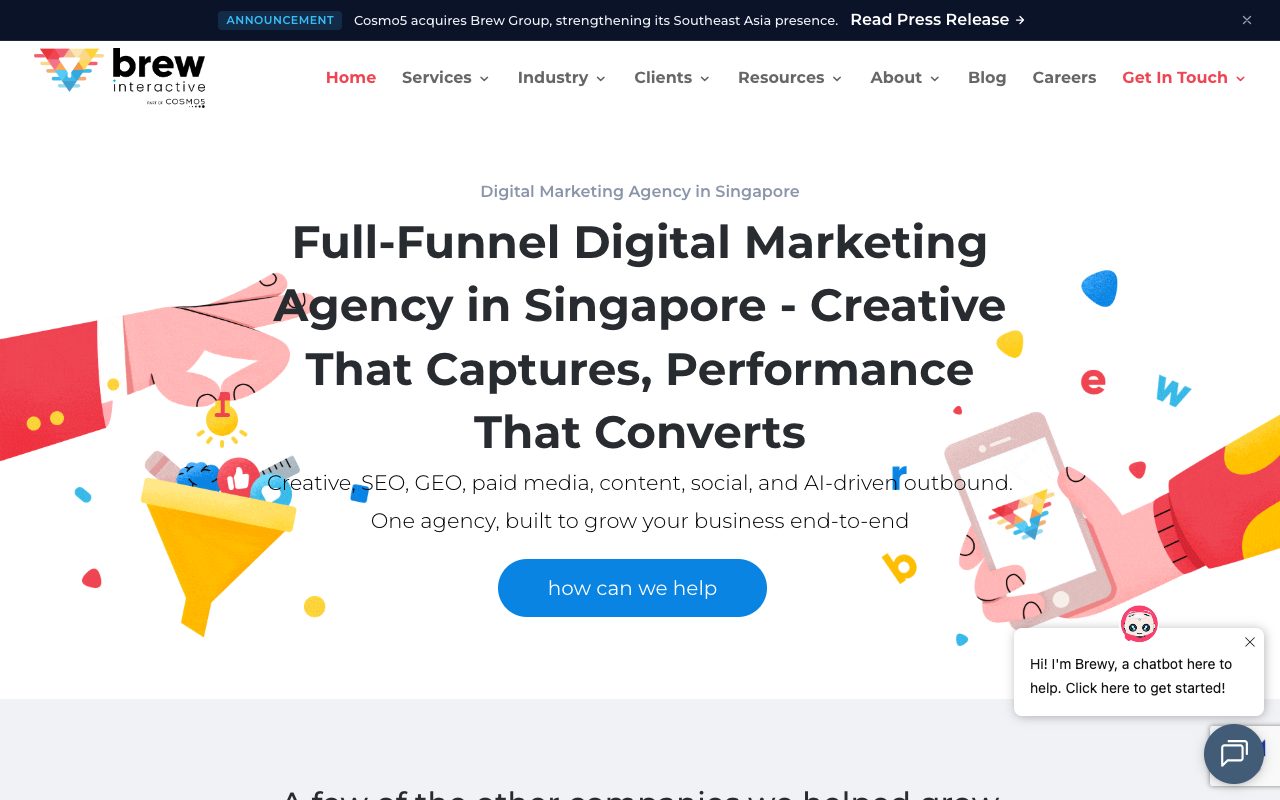
Homepage of Brew Interactive, captured 2026-10-18
Adoption ExcellenceMedia & Creative
Winner · Award Cohort 2026

Brew Interactive

Brew Interactive named its AI stack, cut client onboarding time by 85% and video production by about 85%.

Client onboarding
85% faster
Workflow automationBCanonical source supported
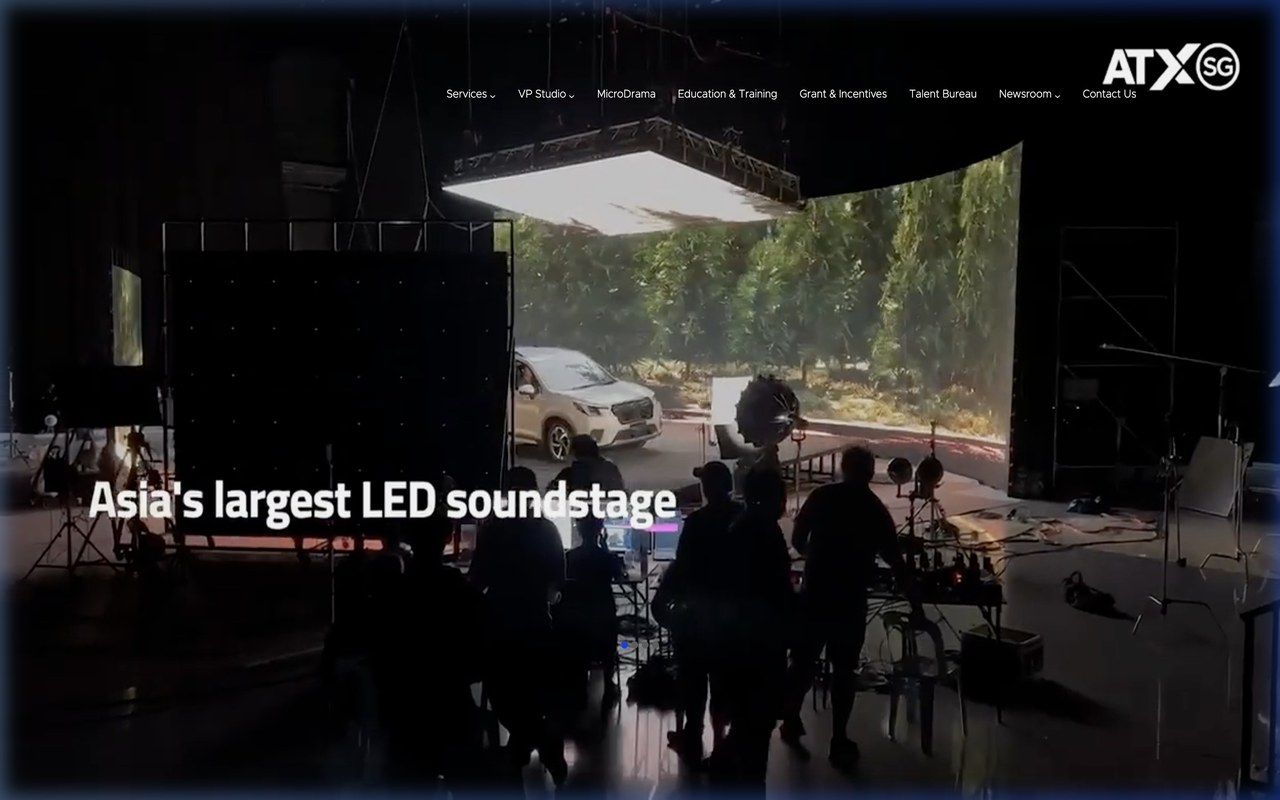
Homepage of Oceanus Media Global, captured 2026-10-19
Innovation ExcellenceMedia & Creative
Winner · Award Cohort 2026

Oceanus Media Global

Oceanus Media Global films against AI-built virtual sets, cutting production timelines by around 80%.

Production timelines
80% shorter
Generative mediaBCanonical source supported
Homepage of Innovative Hub (SG), captured 2026-10-18
Adoption ExcellenceMedia & Creative
Winner · Award Cohort 2026

Innovative Hub (SG)

Innovative Hub cut proposal drafting from a full day to a few hours, and doubled productivity per employee.

Employee productivity
2x higher
Workflow automationBCanonical source supported